Stay informed with expert-led analysis on global energy innovation

As well as regular insights about our business, each quarter, we publish deep-dive reports covering the challenges, opportunities, and innovators shaping the future of energy. All visitors can browse the executive summaries. Full reports are available to members or by request.

You can also sign up to our weekly Newsletter., Current Thinking. (LinkedIn, Substack)

The €4.2 Million Paradox

I tracked November 5-11, 2025, regulatory changes across Brussels, Madrid, and Bonn. Europe multiplied renewable costs 6-10x while the UN declared renewables "cheapest." Storage + €4.2M compliance = €84-125M per 50 MW. Four strategic paths analysed.

The $46 Billion Illusion

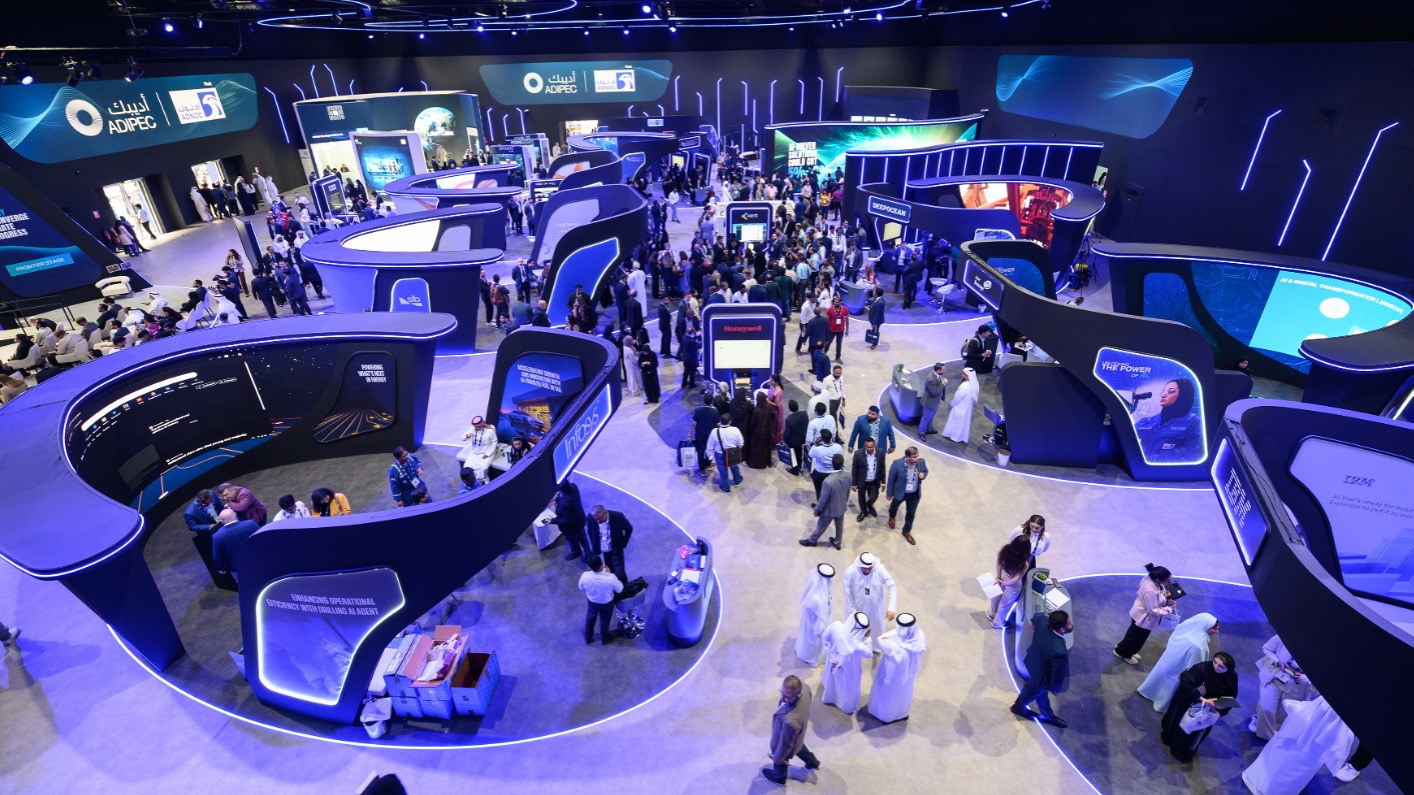
ADIPEC 2025's $46B deals mask a paradox: AI optimizing energy drives massive demand. Data centers will hit 1,580 TWh by 2030. We're burning fossil fuels to build AI systems meant to reduce consumption—individually rational, collectively catastrophic.

Addressing the Market Discovery Crisis in Energy Innovation

Energy startups face a paradox: drowning in data while missing 80% of opportunities. With 42% failing from market misreading, CurrentWorks transforms discovery from manual fragmentation into systematic intelligence, accelerating the transition.

Europe's €100 Billion Dual-Use Energy Revolution

Europe, a pivotal player in the global energy and defence markets, is currently at a historic convergence point. The merging of these sectors presents a unified € 100 billion+ annual opportunity. This...

The €3 Million Compliance Trap

Europe’s battery boom hides a risk: 60% of storage startups will fail compliance audits when the EU Battery Regulation bites in 2027. Growth is strong, but the real threat isn’t tech—it’s 90 empty cells in a spreadsheet and a ticking clock.

The €584 Billion Grid Bottleneck

1,700 GW of renewables—triple what’s needed for 2030—are stuck in EU grid queues. Germany alone has 500 GW in limbo. 73% of energy startups fail this filter. Europe needs €584 B by 2030 but spends €50 B/yr. The grid, not tech, is the real bottleneck.

How Energy Founders Systematically Underestimate Reality by 10x

A founder’s Series A deck showed promise but badly underestimated costs: €10K for grid links and €25K for compliance vs real costs of €50K–€500K and €200K–€2M. Such 3–10× underestimation is common in energy tech. I’ll unpack this via Octopus Energy here.

Why Nuclear Fusion Raises Billions without revenue while your Startup Struggles with Commercial Traction

At a Munich conference, a startup with €450K funding and 92% margins was dismissed for lacking traction. Hours later, VCs praised a €1.8B fusion firm with no revenue until 2035 — proof that vision often outweighs results in venture capital.

Introducing the Current Thinking Newsletter

Current Thinking is a weekly, approximately 5-minute read for early-stage Energy Tech founders and investors, from idea to Series A. Cadence: Tuesdays 07:45 CET

Market Research, the #1 mistake that kills 73% of Energy Tech Startups

Most innovations don’t fail on tech—they fail on research. Market insight is the weakest link in startups and corporates alike. I get 5 LinkedIn cold calls a day on it. In this piece, I unpack one root cause: the “Energy Research Triad.”

The Endgame: Building a Defensible European Energy Tech Business That Attracts Global Capital

Europe’s energy tech graveyard is full of well-funded startups that never scaled. Success comes from compounding advantages into a moat. The 28th Regime could unify Europe into a launchpad for global champions.

The Customer Paradise: Why European Energy Markets Offer What Silicon Valley Cannot

Europe’s market fragmentation is energy tech’s hidden strength: 27 markets, each a testbed. Regulatory sandboxes let startups sell early and scale fast. Unlike the US, this “progressive market depth” turns bureaucracy into a competitive edge.

The €15 Billion Hunt: Mapping Europe's Hidden Funding Layers and the Art of Grant Stacking

urope’s fragmented funding is a hidden advantage. While most chase EIC’s 2.7% success rate, lesser-known programs offer 30–40%. Founders who navigate languages, laws, and partnerships can tap €15B others miss—the complexity becomes the moat.

The €3,000 Question: Understanding Europe's Fragmented Incorporation Landscape and the Promise of EU Inc

Incorporating a startup costs €13,500 in Italy but €0.01 in the Netherlands—four weeks vs same-day setup. These aren’t minor gaps but deep structural barriers that shape Europe’s innovation competitiveness from day one.

Transforming R&D and addressing Europe's innovation challenges

Europe matches China and North America in R&D output but lags due to bureaucracy and lack of agility. This piece explores why Europe’s innovation engine is slowing—and how smarter, collaborative R&D could restore its global edge in clean tech.

Collaborate with forward-thinking organisations working at the forefront of green innovation.

Work with us